
Flooding of the Ganges River
Challenge: Build an IoT (Internet of Things)-enabled device using Arduino to track the water levels of the Ganges River.
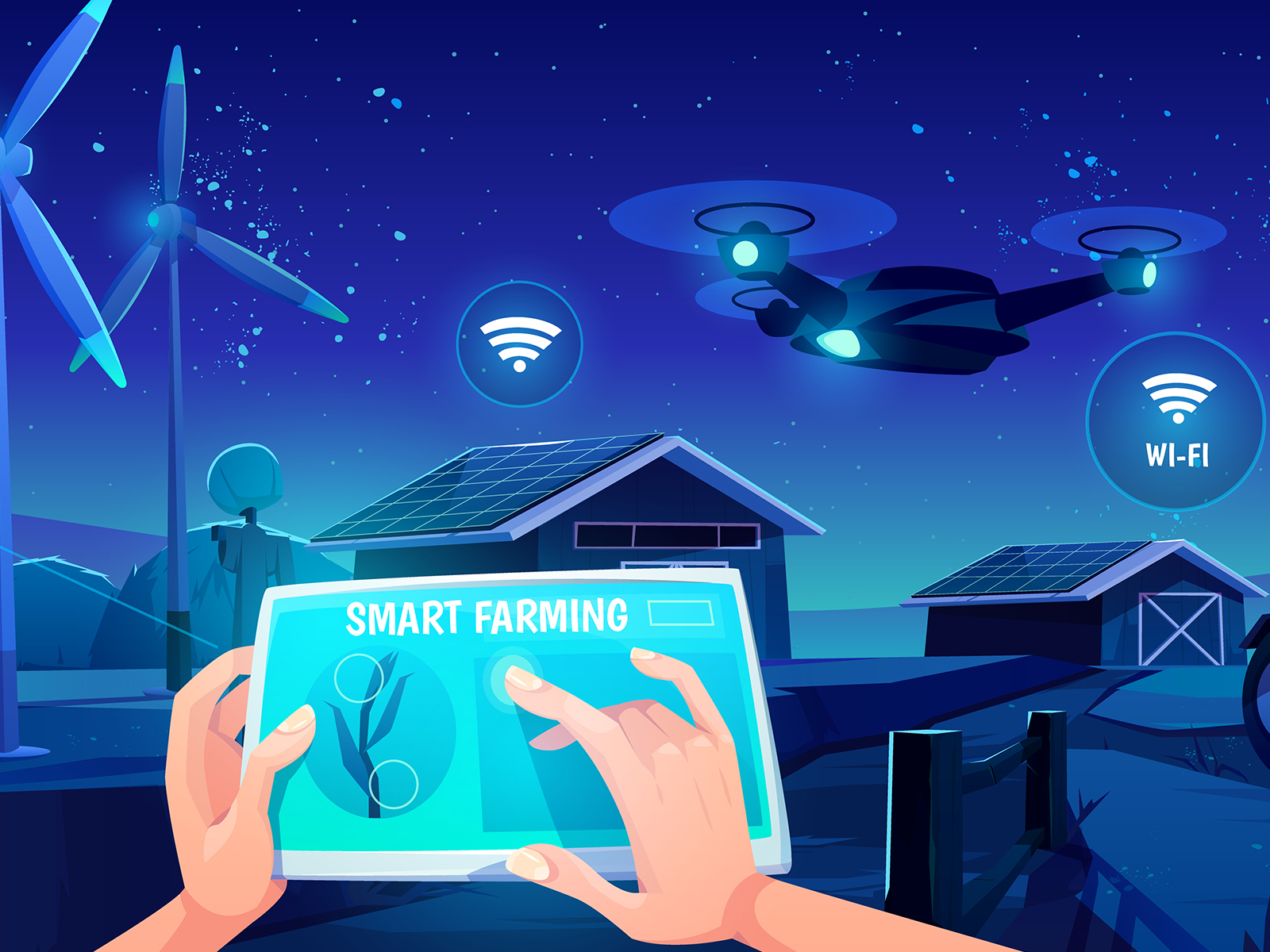
Creating an IoT-enabled data logger device using an Arduino is a great way to learn about digital making and computer science concepts and explore the possibilities of creating connected devices and collecting data from the physical world. Students use a programming tool such as the Arduino IDE to write the code for the device, which will control sensors and communication interfaces, to collect and transmit data. Connecting Arduino over the internet will enable data to be assessed and analysed.
Learning Outcomes
- Describe Arduino hardware and features
- Explain how to use the obloq hardware add the Arduino libraries
- Navigate and use the Cloud platform
- Connect the IoT setup to the internet, send and receive data to and from the cloud dashboard
- Design an IoT data logger and monitor water levels to prevent flooding
Skills Developed
Computational Thinking
- Logical Thinking
- Algorithm Design
- Pattern Recognition
- Problem Decomposition
- Pattern Generalisation & Abstraction
Design Thinking
- Innovation
- Inventiveness
- Hands-on Ability
21st Century Competencies
- Social Awareness
- Relationship Management
- Critical & Inventive Thinking
- Responsible Decision Making
- Communication, Collaboration & Information Skills
- Civic Literacy, Global Awareness and Cross-cultural Skills